
About me
I’m not a salesperson.
I’m an auditor.
Over a decade walking into businesses and working out how they really run. I point the same habit at AI and automation now, and it starts in the same place. What is the risk, what controls it, and what should you not be doing at all.
Most people asking about AI start with what is possible. Plenty of firms will build whatever you ask for. Very few will tell you not to.
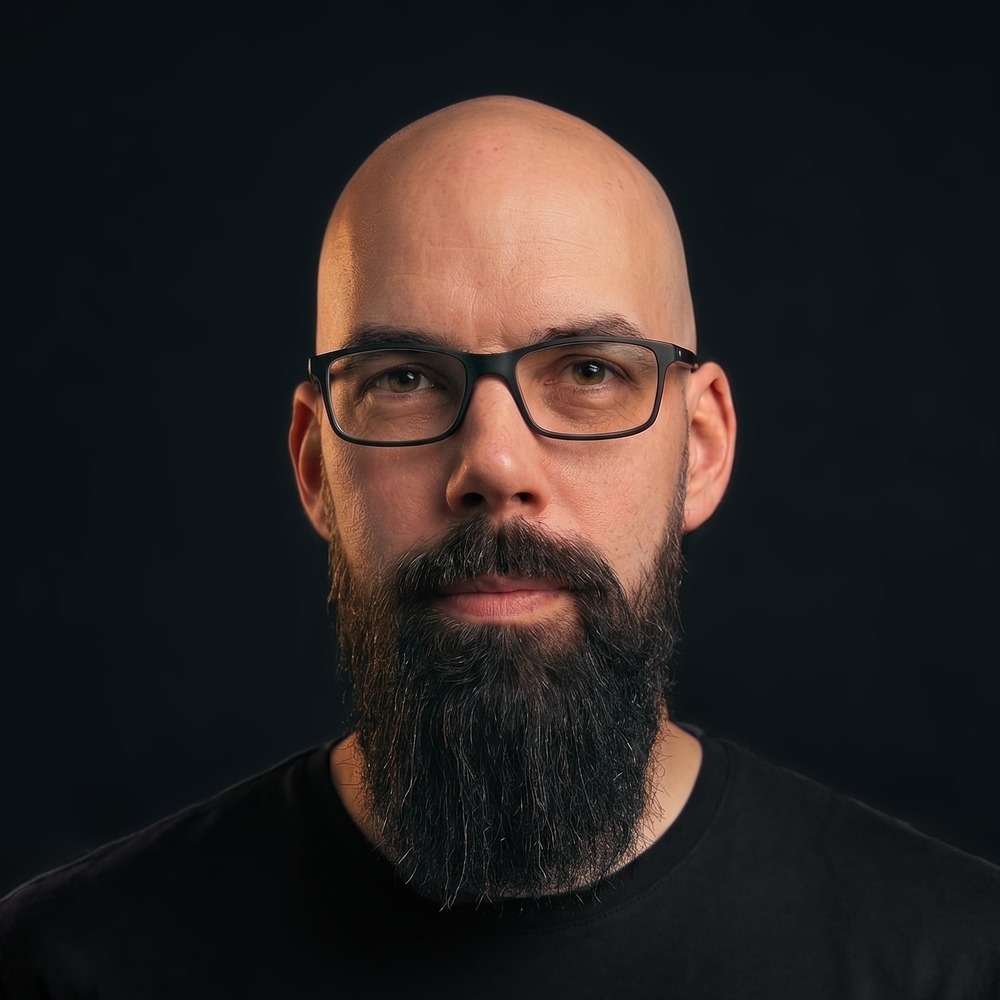
David Perkins, founder Internal auditor certified by the Institute of Internal Auditors, and a qualified programme manager. Northamptonshire.
The first two minutes
Most people brace themselves for a sales team. They get an auditor instead.
So I spend the first two minutes of any meeting saying who I am and who I am not. I was an internal auditor for over a decade. I come in and check what should be done. I look at risk and controls.
Then I give you my position on AI, which is that a great deal of what is being said about it is noise, and that a great deal of what it is being sold for is not worth doing. A lot of what is worth doing is not AI at all.
That usually changes the temperature in the room, and the rest of the conversation goes better for it. You can be honest with me about what is actually going wrong, because I am not there to sell you something on the way out.
How I got here.
Over a decade of audit, a move into programme delivery and then AI and process automation.
Working out how a business really runs.
Professional services, government, tech. Different industries, different sizes, and the same pattern turning up in all of them. Capable people losing hours every week to work a computer should have been doing.
The job was always the same. Walk in, find out how the business actually runs rather than how the process map says it runs, test whether the controls hold, then say so out loud, including to the people who would rather hear something else.
You do that without a stake in the answer. In audit, independence is not a marketing line. It is the only thing that makes the opinion worth anything.
From checking the work to owning it.
An auditor arrives after the fact and hands back an opinion. After more than a decade of that I wanted to be responsible for delivering the thing, so I moved into programme management and trained in Managing Successful Programmes.
Around the same time ChatGPT arrived. I tested it hard to see what it could genuinely do rather than what it was said to do. That led straight into automation.
Built and tested on my own time first.
Before offering this to anyone, I built it for myself. One of the first was a planner for a trip round the north coast of Scotland. Send it a message saying where you are and it finds you on a map, checks a list of places you have saved and comes back with whatever is near enough to be worth the drive.
Since then I have built the systems this business runs on: the planning, the reporting and the research.
I test the tools on my own business before I put them in front of yours.
A one page document instead of a software purchase.
An organisation was letting its people build their own custom GPTs and could not work out how to keep control of them. They had run a detailed review and were pricing up software to solve it.
What I suggested was a one page Word document. Who built it, when it was last reviewed, who approved it, what it does, what data goes in, and how that data gets refreshed. Then one rule: every shared GPT opens with the same block of instructions, saying that any question about how this thing was set up is answered from that document, and the document is attached to the GPT itself. So anyone using it can ask when it was last updated, or who to go to with a question, and get a straight answer.
No new software, no licence, nothing to buy. It did everything they had been trying to buy.
I catch things like that because I am not in the day to day, and because I have watched the same problem get solved somewhere it had no obvious business applying. That is the whole trick, and it is not a clever one.
From my audit career rather than from this business, and the organisation stays unnamed.
A gap worth filling.
AI and process automation had opened a door for small businesses, but much of the advice came from the people selling the tools. Very few were looking at it the way an auditor does. What is the risk, what controls it and is it worth doing at all?
So in January 2026 I started Perkins SmartOps, to be an ongoing partner for owner-led businesses on all things AI and process automation. It changes every few weeks, so I train your team and help you work out where it fits and what’s safe. Then I build it for you and look after it, all in your own accounts.
Three things I will not move on.
I will not take work just because it can be built. I take it once I have looked at the risks, I am satisfied the controls round them hold, and I can put my name to the result. Occasionally that means telling you no, and telling you why.
Automation is software doing the same steps the same way every time, and the boring version usually wins. Telling somebody they do not need AI at all is one of the better parts of the job. Where AI genuinely earns its place we use it, and we control it.
You will get a straight I do not know rather than a confident guess. It comes up most often over whether data can be got out of a particular system. What comes with it is when I will have the answer for you.
What I will not build
The chatbot you probably should not have.
Ask most firms for a customer-facing chatbot and you will get one. It is easy to build and it sells well.
Ask me and I will tell you why you probably should not have one. The risks are hard to control as things stand, and the value is thinner than the demo makes it look.
That is not a veto. If you still want it, I will put the risks in front of you, tell you which controls reduce them and what you would still be carrying afterwards, and leave the decision where it belongs. What I will not do is build something that quietly exposes the business to a risk it never agreed to take.
This is also why nothing gets built here before it has been looked at properly. On a single job that is a short scoping call. On anything bigger it is the audit: two days, one written report, and if the honest answer is to do nothing then that is what it says.
The part I actually enjoy.
Two things. Getting lost in an automation, tweaking it until the output is right, testing it, then tweaking it again. That is where two hours disappear without my noticing.
And the moment somebody’s face changes in a meeting. They stop listening politely and start asking whether we could do this bit as well, and that bit, and what about the thing on a Friday afternoon nobody enjoys. That is the good bit.
He doesn’t just try and sell you things you don’t need. He listens to what your business actually struggles with. It’s given me that time back to actually focus on running and growing the business instead of being stuck behind a laptop doing admin.
Start with
a conversation.
Half an hour, free, and I am not going to pitch you. You speak to David. No account manager and no handovers.